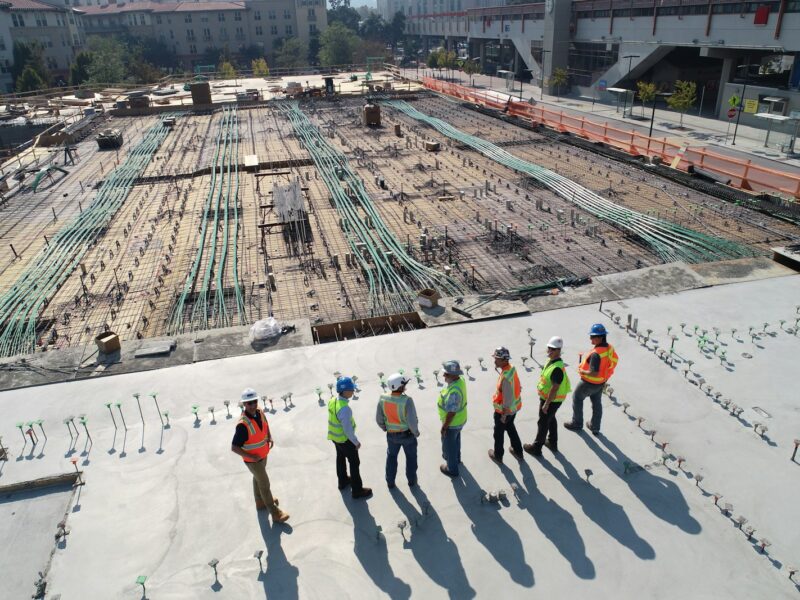


Two construction methods dominate the warehouse and distribution sector: tilt-up concrete and pre-engineered steel buildings. Each has a different cost profile, timeline, and long-term operating character. Choosing the wrong method for your project can add cost, delay occupancy, or leave you with a building that does not serve your operation well at year ten.
Tilt-Up Concrete
Tilt-up panels are cast flat on the building slab and then tilted into position by crane. The result is a monolithic, fire-resistant building envelope with excellent thermal mass. Tilt-up buildings tend to carry lower insurance premiums, hold their value well as real estate assets, and age gracefully compared to metal skin alternatives.

Best for:
- Buildings over 50,000 square feet
- Sites where fire insurance rates matter
- Owner-users or investors who plan to hold the asset long-term
- Markets where tilt-up is the dominant comparable product type
Pre-Engineered Steel
Pre-engineered steel buildings (PEB) ship as a kit from a manufacturer and erect fast — often 30–40% faster than tilt-up on smaller footprints. The primary frame, secondary framing, and metal skin are all engineered as a system, which reduces field coordination and waste.
Best for:
- Distribution centers where speed-to-occupancy is the priority
- Buildings under 60,000 square feet
- Projects with tight schedules or seasonal construction windows
- Tenants who need flexible interior column layouts
Cost Comparison
In the Columbus, Ohio market, pre-engineered steel typically comes in $8–$15 per square foot lower than tilt-up on a shell basis. However, tilt-up buildings often command higher lease rates and resale values, which changes the economic calculation for investors with a 10+ year horizon.
For most Columbus-area projects under 60,000 square feet, pre-engineered steel delivers the best cost-per-square-foot at the fastest pace. Above that threshold, tilt-up earns its premium over the life of the asset.
Making the Decision
The decision comes down to three variables: building size, timeline pressure, and the owner’s hold strategy. Both methods produce high-quality, functional buildings when executed by an experienced general contractor. The method matters less than the team executing it.
Get a fixed-scope proposal in 48 hours.